Shanty Towns in Amsterdam?

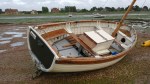
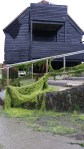
A student of mine recently told me an amusing anecdote. One of her Chinese relatives was visiting Holland and while they were sitting in a train my student’s relative looked out of the window and said she thought Holland was a prosperous country. She had absolutely no idea that they had a problem with shanty towns alongside railway lines! Recovering from her laughter my student told her relation that these were allotments, or volkstuinen, where the Dutch come for fun and not because they can’t afford a proper home.

I suppose the whole phenomenon of allotmenteering is quite strange to many cultures. In the UK it’s all about growing vegetables whereas here in NL allotments are primarily a place to relax and get away from the bustle of the city. In fact, there’s a worrying tendency for a lot of chalet owners to cover their ground with concrete and so dispense with the need to garden at all.

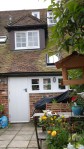
Our allotment is in Geuzenveld, de Eendracht, situated in the garden city suburbs which merge with the green belt between Amsterdam and Haarlem. It has existed since 1962 and comprises 239 gardens and chalets. It is a little community in itself, more like a village than a town.  Neighbours are often caught chin wagging over the fence and passing someone on the path without greeting them would be unthinkable. In fact it’s like stepping back in time, to an era when a sense of community still existed amongst town dwellers.

We bought our chalet and started renting the ground in 2007 and it’s a decision I’ve never regretted. It’s quite a commitment of time and energy and for all this effort I’m indebted  to my husband’s unswerving passion for all things green. I don’t know what the opposite of green fingers is but anyway, that’s what I’ve got. Even though gardening is not really my thing,  the garden is a place of sanctuary. Since the recession, the neighbourhood where I live has become increasingly noisy and untenable with thirty something’s getting their foot on the property ladder and gutting and renovating homes, with the accompanying noise terrorism.

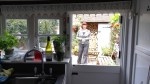
There is no mains electricity at the allotments so thankfully we don’t have to put up with the perpetual drone of DIY/gardening gadgets.  There’s a simple kitchen and toilet in each garden chalet so many people opt to spend the summer there. It’s possible to cook from Calor gas and many owners have turned their gardens into mini-paradises!

This slideshow requires JavaScript.

Posted in Uncategorized | Tagged , , , , , , , , , , , , | 5 Comments

Tips for Aspiring Writers – An Interview with The Word Hut

Tell us something about Susan Carey.

I was born in Herefordshire, England. My ancestry is Welsh/English. Some years ago I emigrated to Holland to live with my Dutch husband and I now have dual British and Dutch nationality. Even so, returning to the Welsh borders still feels like a homecoming. I write mainly short stories and I also teach English as a second language. In my spare time I love to belly dance.

When and why did you start writing stories?

I started writing when I moved to Amsterdam. I had a lot of major changes in my life to deal with and writing was a way of transforming feelings of grief and loss into something positive and life-affirming.

Where do you get your ideas and inspiration from?

Ideas and inspiration are everywhere. Snippets of conversations, other people’s anecdotes, a journey, the way light falls on an object. I got my degree in the visual arts and learned to observe in great detail. Stealing ideas from everyday life are useful skills for both an artist and a writer. This ability has been incredibly useful for me in my writing as well.

What is your favourite time for writing?

In the morning, if I can find the time. Most of my teaching assignments are in the afternoon or evening so that works out well.

Where is your favourite location for writing and why?

I write at my desk and occasionally in a notebook which I take everywhere with me. Many good ideas come to me when I’m cycling around town. I also keep pen and paper on my bedside table in case of the muse striking after nightfall.

What other writing do you do – non-fiction, poetry, etc?

I’ve written non-fiction, poetry, novels (for Nanowrimo) and have recently started blogging.

What is your earliest memory of writing a story?

I recently came across a snippet of writing from my early school years. It read, ‘I had a tom cat, he ate my duck’. It seems I had a feeling for flash fiction even back then! And a lot of imagination as I didn’t have a tom cat or a duck. At secondary school an Edgar Allen Poe inspired story was chosen by my teacher and I read it aloud to the class. It was quite gruesome and involved someone getting their throat cut.

Are you someone who plans their writing in detail or do you just launch into an idea and see where it goes?

I have tried both methods but have discovered that starting off with an initial idea or image and then taking it from there, works best for me.

People say you should only write about what you know. What is your view on this?

I think it’s good advice but often interpreted too literally. It doesn’t necessarily mean you have to write about a place or people that you physically know but write about what life has taught you. Successful stories work across cultures so it’s the humanity in the story that needs to be universal, regardless of place. Characters and settings can be as exotic as you wish as long as they connect to and grow from your experience.

Writing can be a lonely occupation or hobby. What is your advice for coping with this?

As a teacher I have a lot of interaction with my students and belly dancing is a very sociable hobby. I’m also a member of a face-to-face writers’ circle and a fantastic online writers’ community called Writers Abroad. Quite frankly I don’t know how I’d manage without the support of both groups.

Performing a duet at a friend’s birthday party

How do you cope when your writing is ignored or rejected?

I cry and then comfort myself with a cup of builder’s tea and a piece of Battenburg cake. No, honestly I try not to let it affect me too much. I would usually get some more feedback on a story and then submit it elsewhere.

Do you ever experience writer’s block? How do you overcome this?

Fortunately, I’ve never suffered from writer’s block. As I’m superstitious, even writing this statement is making me worry I’m tempting fate.

Do you have a blog or website? For what reasons do you run these?

I have a blog and a website. The blog is about living in Amsterdam, my favourite places, and things I encounter on my travels. Living in a different culture feels the norm for me now, but of course for many people that’s not the case. Since starting my blog I’ve been looking at things in a more positive way and it’s also started to feed into my fiction. The website is so that people can get to know more about my published work, if they should feel the need!

What do your friends and family think of your writing?

Generally speaking family and friends are very supportive, so I’m lucky in that regard. As many friends and family live in theUKand real time together is limited, there isn’t often opportunity to discuss my writing that much.

Who is your favourite author and what is it that really strikes you about their writing?

Susan Hill is one of my favourite writers. I love her pared down writing style and how she can conjure up place and atmosphere with so few words. She leaves a lot of room for the reader to fill in the picture. She also has no need to impress with fancy language, something I really appreciate.

What has been your proudest moment so far with your writing?

Having two stories professionally recorded for shortstoryradio.com and being shortlisted in the Frome Festival competition. I was also chuffed to be invited to the National Short Story launch party at the Charles Dickens Museum in London. I was also shortlisted for the Fish Flash competition and had a story recorded and performed at the Liars’ League event in Leeds.

What do you hope to achieve in the future with your writing?

Of course I like many writers I dream of writing a bestselling novel, but right now I’m happy that I very much enjoy writing and have lots of ideas I still need to get out.

If you had to give advice to a novice writer, what would it be?

Write from your heart and practise your craft daily, if possible. Set yourself achievable goals and build on those as you progress. Read as much as you can, both genre and literary fiction.Readingcan help you discover your ‘voice’ as a writer. When you feel able to, share your work with others. It took me three or four years of writing before I was ready to do that. It came as a most wonderful surprise that people enjoyed my stories and found them entertaining.

Writing info on this blog

Posted in Uncategorized | Tagged , , , , , , , , , , , | Leave a comment

Meet a Very Foxy Lady

Embed from Getty Images

As a farmer’s daughter, I’ve always felt ambivalent about foxes. I grew up in a family that regarded hunting as a countryside tradition that was necessary to reduce the number of creatures that were regarded as little more than vermin. I’ve seen newborn lambs that have been killed by a fox and it’s a very upsetting sight.

My first experience of cubbing was on a pony that we were planning to sell on. The pony’s price could be increased at market if it had had some hunting experience. Cubbing began in September before the hunting season proper kicked off. It was exceptionally boring for an eleven-year-old to hang around a wood or copse waiting for the fox cubs to be disposed of. I didn’t know how they were dispatched as I wasn’t near enough to see. Nor would I have wanted to. I just remember getting cold and hungry and not really understanding what other people saw in this activity.

Not long after that I decided foxhunting wasn’t for me. Not especially through moral reasons but being an asthmatic child I didn’t have the stamina to hunt on horseback all day. Horses invariably get stronger and stronger as the day of hunting progresses. They are on an adrenalin high when the hounds are in full cry and I didn’t rate my chances of staying in control.

Contrarily perhaps, when I go back ‘home’ to Herefordshire, the sight of the hunt at a country pub gives me an irrepressible, visceral thrill. It’s impossible not to feel the goose pimples rise and the heart quicken when they move off to start the hunt. Horses kept stabled at home usually go spare when they hear the hunt anywhere nearby. Even horses or ponies that have never ridden to hounds will have this inbuilt response. I have never attended a drag-hunt meet so it would be interesting to see if the same vicarious thrill is in the air. Apparently many hunt memberships have increased since the ban was imposed in 2004, so a lot of people, while enjoying a day out with the hounds, don’t enjoy the idea of killing a fox. On the other hand many old-school hunting people regard it as merely a ritual now, a pale imitation of what hunting should be.

Now I’m a town dweller I hunger for any contact with the natural world. On a recent trip to my country bolthole in the UK I was lucky enough to encounter a family of foxes that came out daily to entertain us. You would have to be a cold-hearted person indeed not to be moved by the fox cubs’ playful antics. Even the sheep and lambs that they shared the field with seemed totally unperturbed by their presence. The vixen sat and stared right at us while her cubs played. Obviously smart enough to realised that we were far enough away not to pose a threat. Through the spotting scope I got a perfect view of her beautiful, vulpine face. I know foxes are still a pest to farmers with poultry and livestock but it would be interesting to see the figures as to how much this has worsened since hunting was banned. While I’m aware that as a meat eater I have no right at all to any moral high ground, the vixen and fox cubs won me over completely and I’m glad I made the decision not to foxhunt all those years ago.

Posted in Uncategorized | Tagged , , , , , , | 4 Comments

Into my heart an air that kills

This poem sums up the feelings of returning ‘home’ but then again, never being able to return home. A. E. Housman grew up in Shropshire, a neighbouring county to Herefordshire, where I spent my childhood. Could this poem be the lament of any expat or perhaps more generally, anyone who has left the place where they grew up?

Into my heart an air that kills
   From yon far country blows:
What are those blue remembered hills,
   What spires, what farms are those?
That is the land of lost content,
   I see it shining plain,
The happy highways where I went
   And cannot come again.

 From A Shropshire Lad by A.E. Housman

Embed from Getty Images
View from Symond’s Yat Rock, Herefordshire

Posted in Uncategorized | Tagged , , , , , | 3 Comments

Many Waters Cannot Quench Love

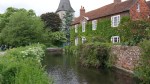
On a recent home exchange in Chichester, I visited the enchanting village of Bosham, a settlement in one of the sea inlets that make up Chichester Harbour.

Chichester  is a very pretty town, built within a city wall that has existed since Roman times. We stayed in an adorable cottage which the owners affectionately referred to as ‘The Wendy House.’ Built in the 17th century and Grade II listed it looked similar to an almshouse (or Dutch hofje). In a row of terraced houses, it did indeed have dolls’ house proportions with low doorways and ceilings, original beams and a double door that opened out onto a miniature walled garden. The Swedish Jotul wood burner was lovely to read and snooze in front of, on the many wet afternoons during our stay.

My other half was also kept amused by the nesting pair of peregrine falcons that have used the spire on Chichester Cathedral to raise their brood for the past twelve years. Even though I’m not a twitcher myself, it was fascinating to watch the adult birds swooping around the cathedral turrets trying to get the fledglings to take flight. At least it was fascinating for five minutes, which is why I will never make a fully fledged birdwatcher! Sorry for the awful pun 😉

We decided to visit nearby Bosham  in the evening. The tide was out so we could walk along the road around the harbor wall. There was a leaden, lowering sky which gave the metallic sea a gothic look. I could imagine it would look totally different on a sunny afternoon with the coloured boats jostling against each other, children licking ice creams and the waves gently lapping against the harbour wall. But this spring evening was a stark contrast. The tendrils of seaweed hanging off the railings, black tarred buildings and the eerie clanking of boats’ bells in the wind made me think of the setting for Susan Hill’s, ‘The Woman in Black’  and the sinister Eel Marsh House. This ghost story of a vengeful, female spirit, holds a deep fascination for me; I’ve read the book, seen the West End play and the film. Susan Hill is a master of the ghost story genre. Creating psychological chills that resonate long after the book is finished.

Hubby took some photos of Bosham that give you a good impression of the slightly spooky atmosphere. There is a legend that King Canute’s daughter was drowned in Bosham. Here is a poignant poem about the legend by Denise Bennett, Canute’s Daughter.

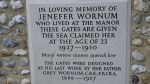
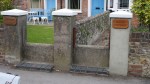
On the wall surrounding Bosham Church there was a plaque in memory of a young woman that drowned. This plaque has inspired the title of this post. The quote is from the Song of Solomon 8

Posted in Uncategorized | Tagged , , , , , , , , | 2 Comments

I’ve been Wordled…

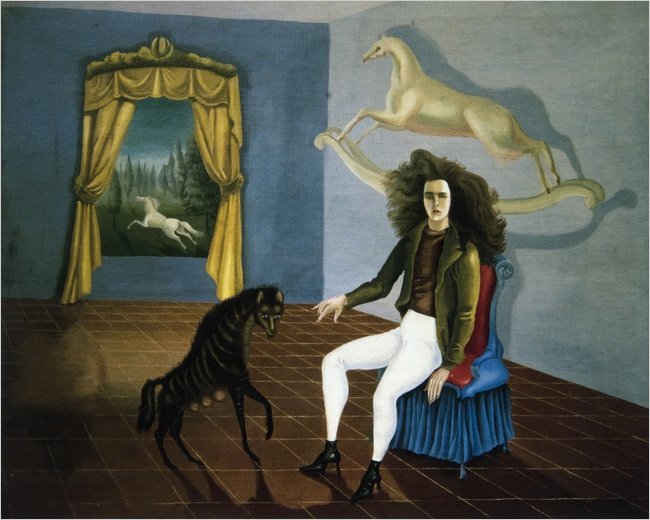
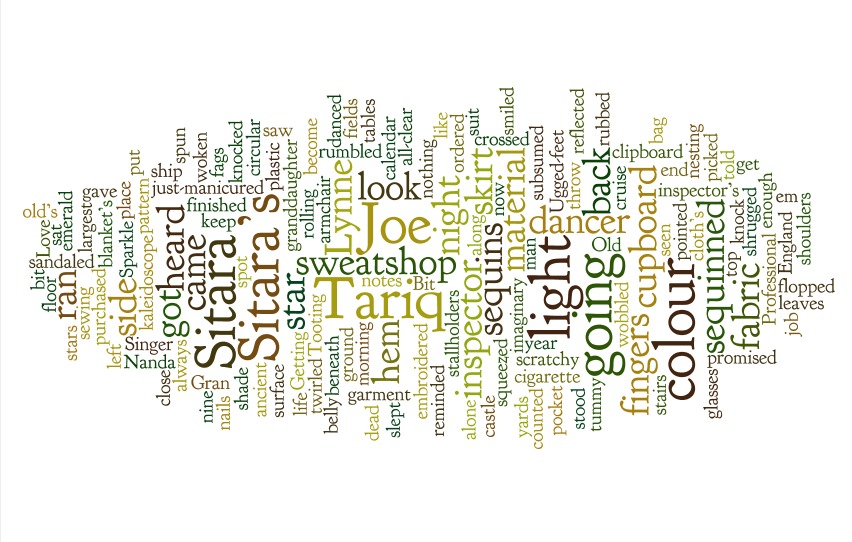
Yesterday, at a workshop in Utrecht given by dedicated and inspiring English teacher, Roy Bicknell, I was introduced to Wordle and its possible uses in vocabulary lessons for business English students. As a writer, it struck me as a fantastic way of adding visual impact to poems  or flash fiction and perhaps incorporating the poem’s/flash fiction’s meaning on a subconscious level. All these pieces have been inspired by a visual prompt, three of which I have displayed. If you would like to read the poems or flash in their original form (unWordled) please follow these links:

A Bit of Sparkle
Tryst
The Entomologist’s Dream

Tryst

The Entomologist’s Dream

Painting by Edmund Dulac that inspired above poem.

The Inn of the Dawn Horse – as yet unpublished

The Inn of the Dawn Horse, Painting that inspired above poem, by Leonora Carrington

A Bit of Sparkle (flash fiction piece)

Photo that inspired A Bit of Sparkle, by Martin Sojka

Posted in Uncategorized | Tagged , , , , , , , , , , , , , | Leave a comment

Home Swapping – Your Place for Mine

A few years ago I registered as an aspiring home-swapper on Homebase Holidays. Membership is approx thirty pounds a year. I chose this site because of its emphasis on properties in theUK. As an expat living in Amsterdam, home-exchange offered the ideal solution to the dilemma of staying with family during frequent visits to the UK.

Taking the plunge
Our flat in Amsterdam proved instantly popular and the emails started coming in. A couple from London suggested a week-long swap. Their apartment was ideally situated near London Bridge. Nursing first-timers’ butterflies we rolled our wheelie suitcases along Tooley Street towards our swap address. During our email correspondence our counterparts had asked us how we felt about Futon beds. I’d replied that they weren’t really our cup of tea, but that we could cope, so not to worry. The evening before we left we got a phone call informing us that our newfound friends had bought a new box spring double mattress! It had been on their to-do list and our forthcoming visit added that extra incentive to take action.

Cash over for extra holiday treats
As we neared our destination I joked to my other half, ‘Don’t worry we’ll find it easy enough. It’ll be the block of flats with an old mattress out front.’ Round the next corner we saw a Futon propped against some black bins. My fears were quickly assuaged though when our smiley host came out to greet us and took us into his perfectly furnished home. With some of the money we saved on accommodation I celebrated my birthday in Gordon Ramsay’s Gastro-pub; The Narrow. On our last evening we went to The Proms which had always been on my bucket list. It was heaven returning to a real home after a busy day’s sightseeing in a rare London heatwave.

Talking French to the Chinese
Next swap was a long weekend in Paris. This time we didn’t have a chance to meet our mutual swapper in advance. She had to leave early in the morning and we’d received instructions to pick up the key at her local greengrocer. I’d practised my school French, which proved to be useless. The Chinese shopkeeper didn’t understand a word of French (or my French at least.) After some gesticulation he went out back and presented us with the key to ‘our’ apartment. It was in Paris’ artistic Rive Gauche, nearby the beautiful Parc Montsouris, near where many well-heeled Parisians live. Great for people with champagne tastes on a beer budget! We really felt like locals popping to the shops to get our morning croissants.

The Good Life in Wales
But, the swap to top them all was on a smallholding on the Black Mountains in Wales. This time there was more involved as we also had to care for a flock of chickens, geese, two ducks, two horses and a grumpy cat! This’ll be a doddle I thought. I grew up on a farm and was looking forward to caring for animals again.

We drove into the yard and were immediately circled by a flock of friendly chickens. Meet Lenin, our host, Chris said as he gestured towards the magnificent cockerel. We had to duck our heads as we walked into the kitchen. Four hundred year-old stone walls and flagstone floors were still intact. A massive oak dining table and fireplace big enough for a boar on a spit conjured up images of Welsh Barons throwing gnawed chicken bones (sorry Lenin) to man-eating Lurchers as a bard strummed about some fair maiden on his Celtic harp.

‘Look, we’ve just got time to give you a tour, introduce you to the animals and then we’re off to the airport to catch our plane to Amsterdam.’ Our hosts strode purposefully ahead. They gave us a lightening tour of the house, fields and vegetable plot. We were instructed where to find chicken feed, where to look for eggs, had a crash course in herding petulant geese and chickens. We listened intently as we didn’t want any of our wards to be eaten by a fox. We waved them off with big smiles. The smiles faded as we looked at each other: What have we taken on was the unspoken thought between us.

The extra work on the farm, was more than compensated by fresh vegetables and the animals’ amusing antics. The neighbours were on standby which helped us feel a lot more secure. They were experienced with horses and helped us through a couple of tricky situations during the holiday. We were both gutted to have to leave. My husband really fell in love with the ‘Good Life’ and is still missing the chickens.

Trust your Instinct
We’ve received offers from afar afield as Los Angeles, New York, Adelaide, Barcelona, even the Costa Rican jungle! There are many home exchange sites on the internet. Get a taster and useful tips here: http://wikitravel.org/en/Home_exchange If you decide to give it a go remember that each exchange is unique. A relationship of trust should develop as you get to know your exchange partners through e-mail and phone calls. Most importantly of all, rely on your common sense and intuition. Be upfront with any concerns you may have. If the communication is proving difficult then perhaps the swap is not right for you. It’s much easier and painless to call a halt early on in negotiations.

Apart from the obvious financial benefits there’s the added bonus of getting to know neighbours and your chosen area as a local would. Researching your own area to make up an information pack for guests is a real eye-opener once you realise how much your neighbourhood has to offer. Home-exchange is an enjoyable adventure which does require a major investment of time and planning but the rewards, in my experience, make it 100% worthwhile.

An extended version of this article appeared originally in http://www.telegraph.co.uk/expat/

Posted in Uncategorized | Tagged , , , , , , , , , | 3 Comments

Food on Wheels in the Westerpark

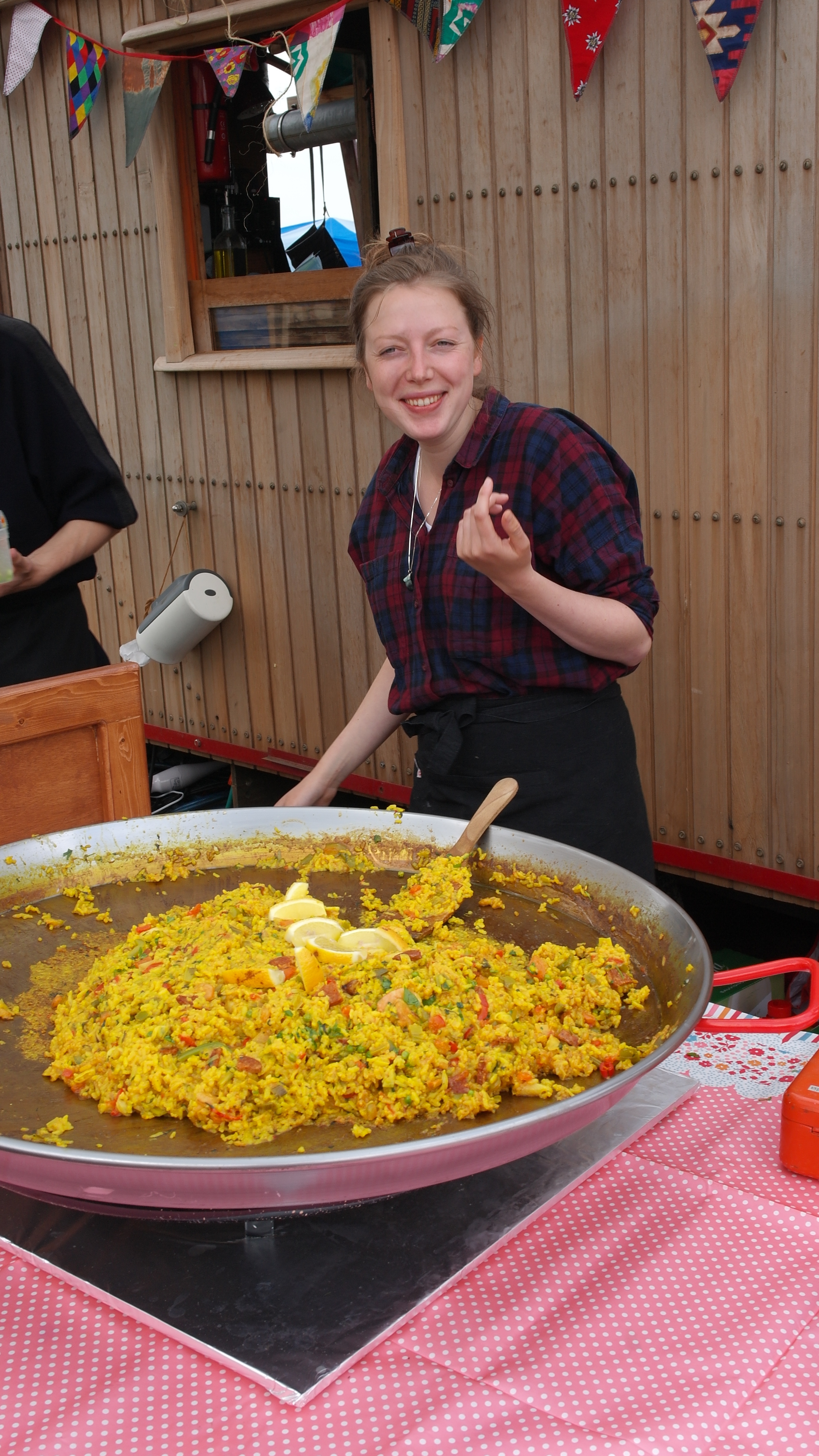
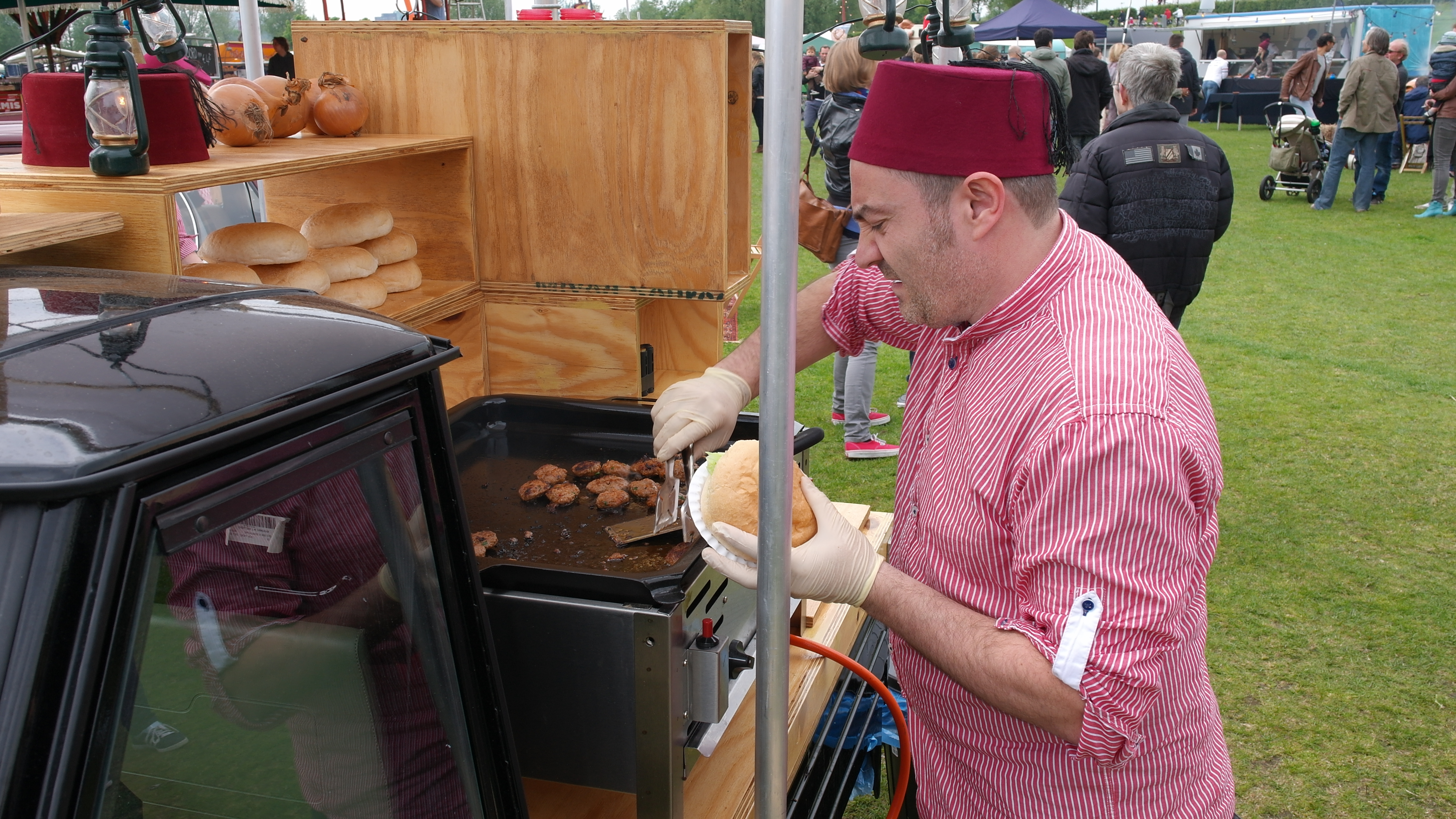
Thursday 17th May was Ascension day here and a Bank Holiday. To mark the occasion there was a three-day culinary event, ‘de Rollende Keukens’ (Kitchens on Wheels), held in one of my local parks, the Westerpark. This event featured a multitude of world cuisines that were prepared and sold from various mobile stands.

Know your target market
Anyone who saw The Apprentice a few weeks ago will remember one of the tasks for the opposing teams was to prepare and sell street food. The winning team embraced the theatricality of street food, engaging with passersby and luring them in with loud banter and of course, delicious smells! Knowing your market is important too. Anyone with common sense could have predicted that football fans wouldn’t be prepared to spend six quid on a portion of lukewarm pasta when they can get burger and chips down the road for two quid. This error of judgement led to team Phoenix’s downfall.

Yummy mummies and daddies were the target market for the Rollende Keukens. The brightly painted camper vans, caravans and wagons appealed to the trendy thirty-somethings and the most successful sellers made a show of preparing and selling the food, as well as providing a sideline fairground attraction for the kids.


You can take the ‘girl’ out of England…
What did I try? What does an expat really miss abroad? Fish and chips of course! You can get fish in batter here but the batter is usually soggy, isn’t made with beer and has a nasty, bitter aftertaste. Unfortunately, fish & chips on sale in the park had an upwardly mobile price tag of seven euros! Most snacks were going for around four euros so I wanted to make sure of the portion size before ordering. The seller, who insisted on speaking English to me, said it would be served in a large ‘pointy bag.’ A ‘puntzak’ is a cone of grease absorbent paper in which chips are served in Holland. Even though I speak fluent Dutch I rather enjoyed the bumptious seller’s discomfort as he struggled to come up with the right translation for ‘puntzak.’ Nevertheless, I often feel slightly guilty in these situations, believing that as a language teacher it’s my job to give non-native speakers a quick vocabulary and cultural lesson. But no, it was a Bank Holiday for me as well and as we don’t have a tradition of serving chips in a ‘pointy bag’ anyway, I couldn’t help.

So, in for a cent in for a euro, I paid my money, gave my name and after having a nice chat with a neighbour I bumped into, was called back via a megaphone to pick up my fish and chips. And they did not disappoint, succulently fresh fish was cooked to perfection in a crispy batter and the chips nestled tantalisingly in the ‘puntzak.’ Only thing that the Dutch will never get is that instead of a homemade sauce with fresh herbs, all most Brits really want on their fish and chips is salt and a splash of Sarson’s malt vinegar…

Posted in Uncategorized | Tagged , , , , , , , , , , | 2 Comments

Art and Pancakes in the Forest

Veluwe National Park

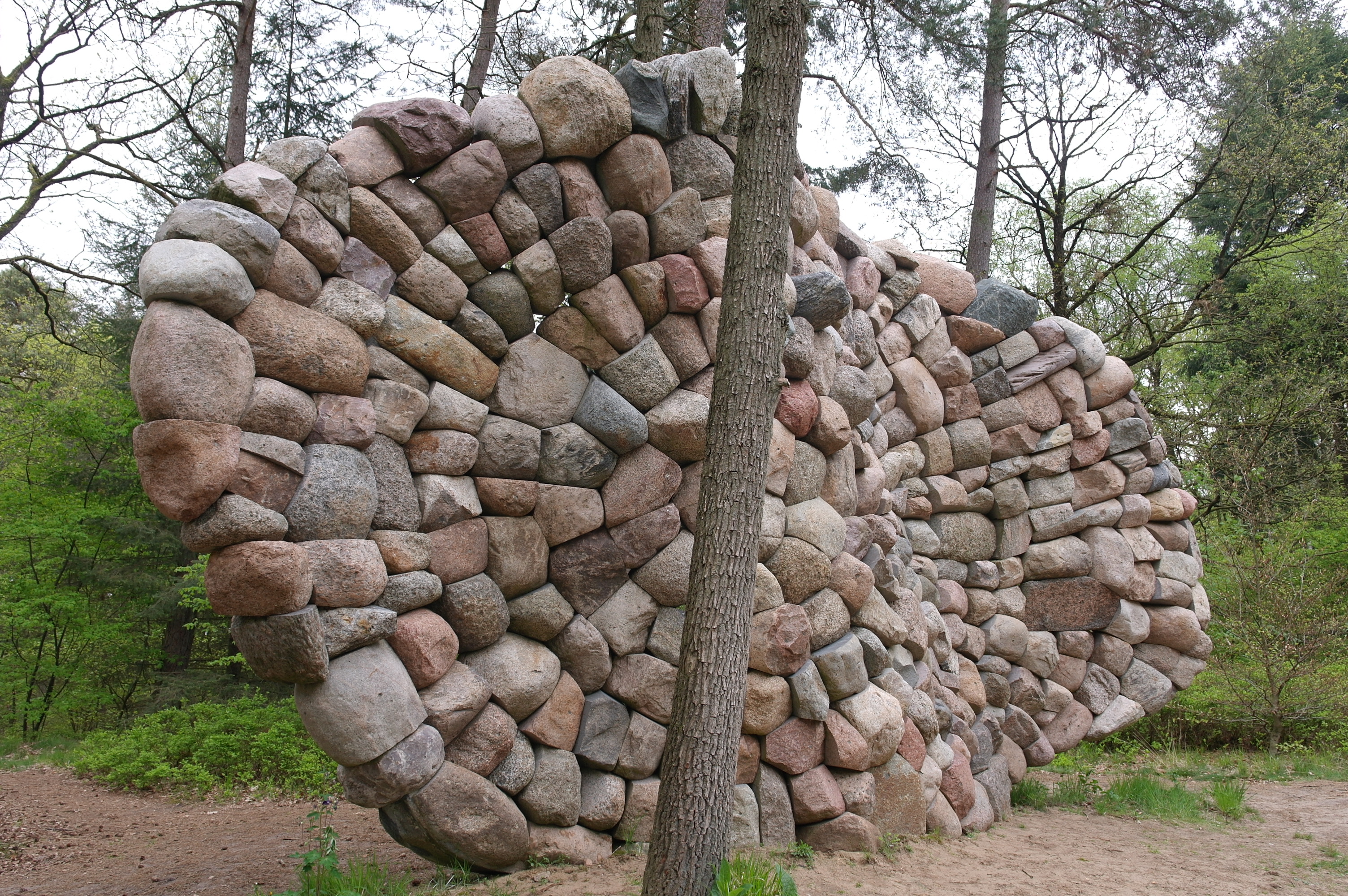
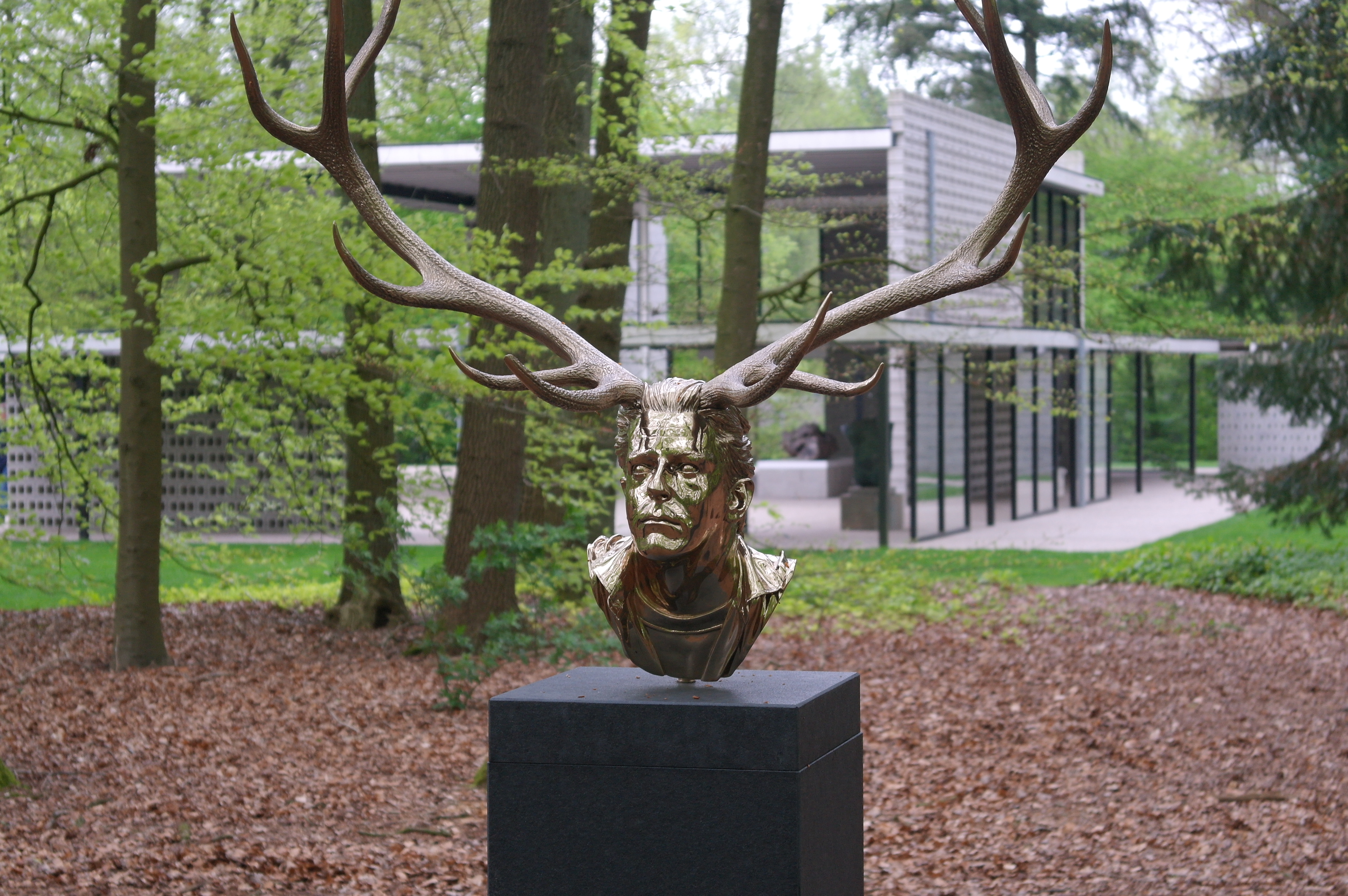
De Hoge Veluwe National Park is the largest conservation area in private hands in the Netherlands. The Park covers 5,400 hectares of woodland, heathland, peat bogs and drift sand. It enjoys a wide variety of plants and animals and provides habitats to extremely rare Red List species. Together with the Jachthuis Sint Hubertus, Museonder, Kröller-Müller Museum and Sculpture Garden, the Park forms a unique and internationally renowned combination of nature, art and architecture. Arnhem is a good base for exploring the park. From its rail station, trains go to Amsterdam (1hr., 4 per hr., €14.40). From Arnhem, take bus #105 to Otterloo and transfer to bus #106, a shuttle bus, into De Hoge Veluwe. More travel info here.

Kröller-Müller Museum and Sculpture Garden in the Veluwe
Entrance to the park and museum is 16,40 euros or 8,20 to Museum Card holders. Children under six get in free and older children pay half price. When you arrive choose a free white bicycle from the many that are available. Do be careful though as they have don’t have handbrakes. You have to back pedal to brake. Don’t forget and do a back pedal whizz for the sheer fun of it as you could end up losing your front teeth! I always thought all Dutch people were used to this way of braking until I witnessed my mum-in-law careering down a hill in Arnhem shouting for help as she didn’t know how to stop! Luckily she didn’t hurt herself as the slope evened out and hubby was able to yell instructions how to use the pedal brakes.

Pancake at de Koperen Kop
OK, before you start all that art appreciation malarky, don’t forget to have a pancake at the Koperen Kop, where you can park your bike before eating lunch and head off on foot to the Museum and Sculpture  grounds.

A Few of my Favourites
Most people pass this by thinking the ‘Needle Tower’ by American sculptor, Joseph Snelson, is just a tower of wires. Only when you stand directly underneath it do you discover its secret symbolism.

‘Secrets of the Waters’ by Ana Maria Tavares

‘De Echo van de Veluwe’ by Chris Booth

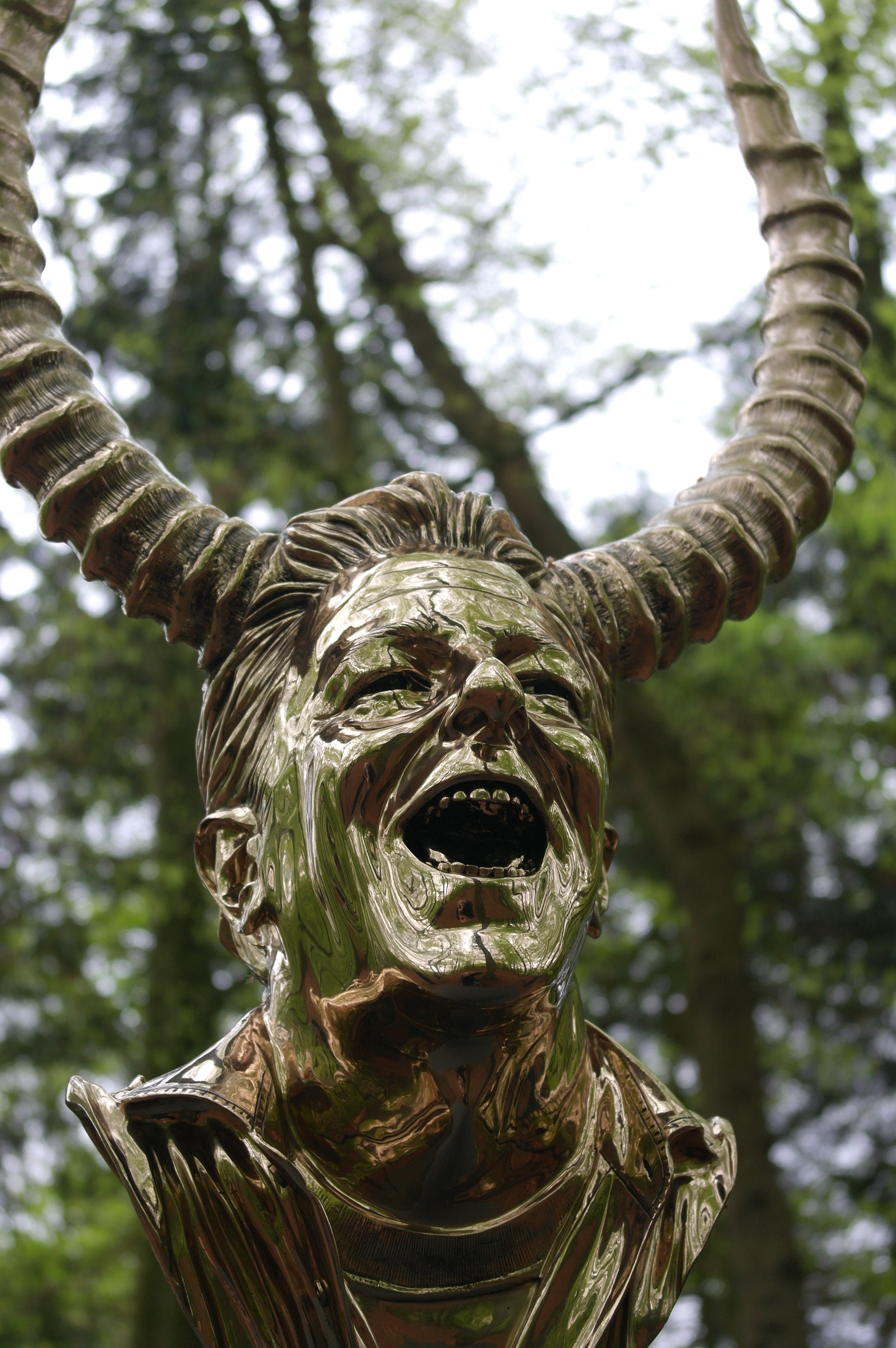
‘Hoofdstukken I-XVIII’ by Jan Fabre

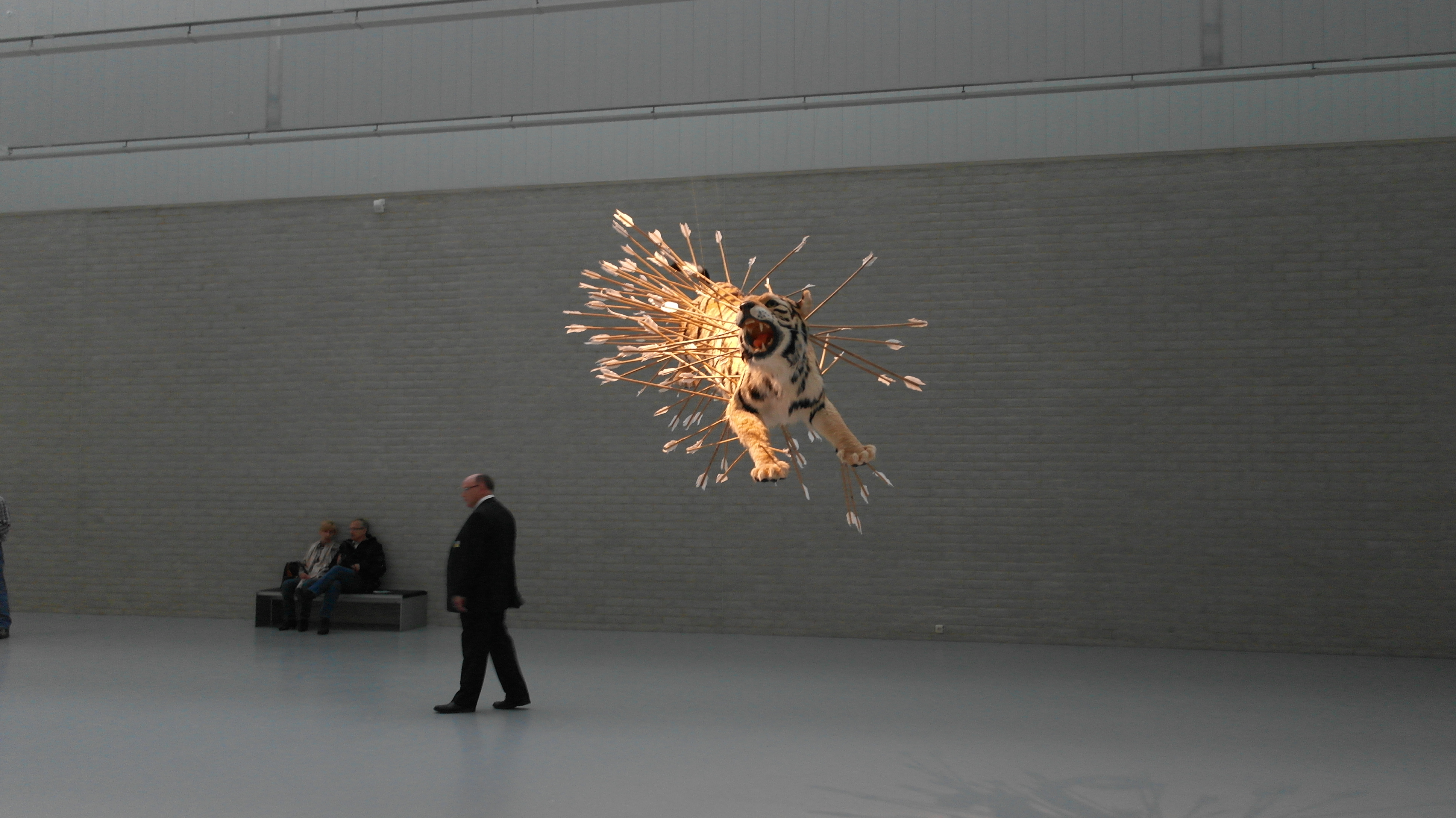
‘Inoppurtune: Stage Two’ by Cai Guo-Quiang This gallery of nine ‘floating’ tigers invoked awed reverence from the visitors. (Animal lovers, don’t worry, tigers are made from papier mache and pelt is 100% synthetic.)

‘with Us in the Nature by Gilbert & George’ – A radical departure from their usually urban-inspired work.

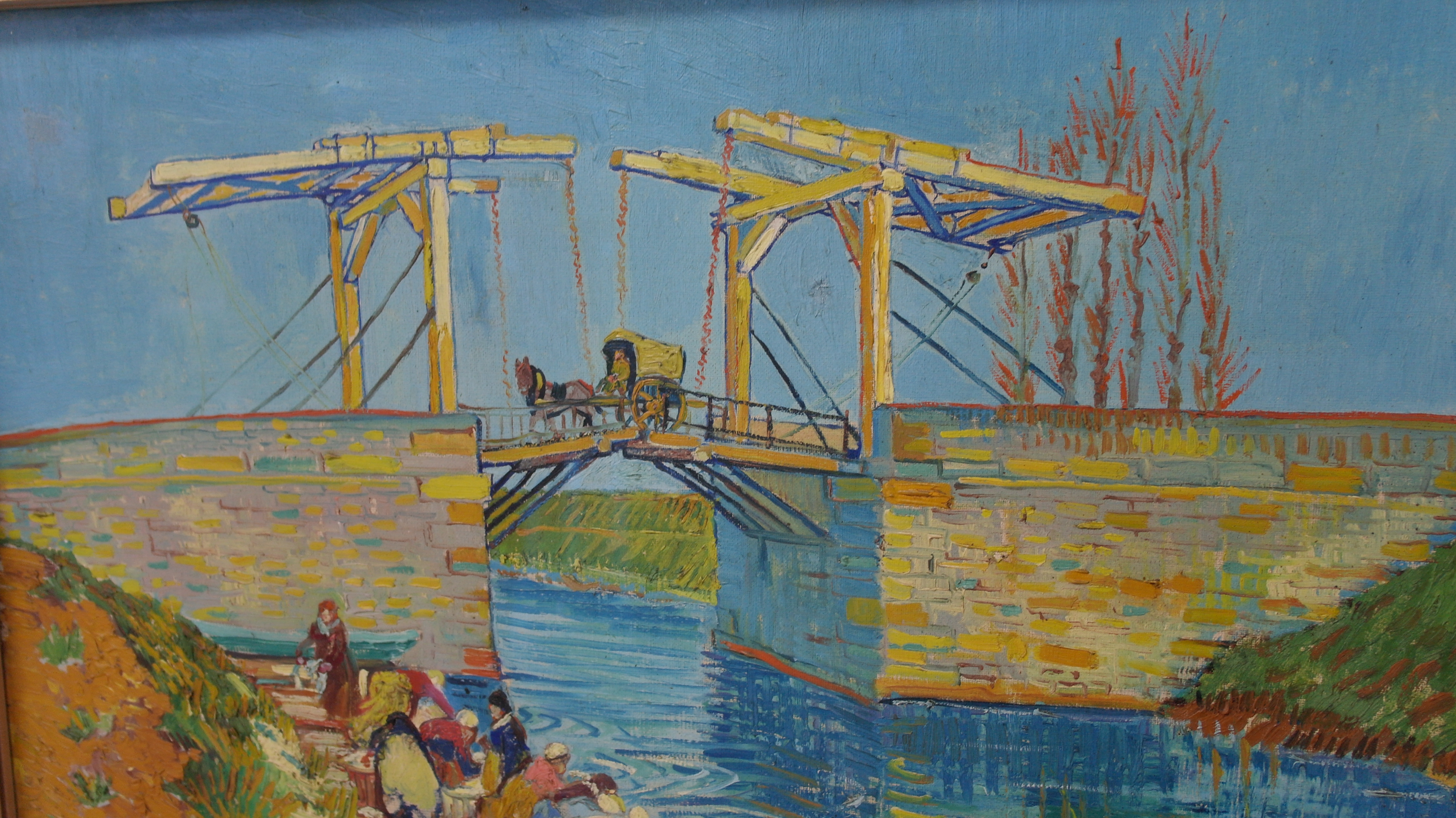
‘The Bridge at Arles’ by Vincent van Gogh

Time to go home…

Posted in Uncategorized | Tagged , , , , , , , , , , , , , | 6 Comments

An Audience with a ‘Working Girl’

amsterdam-2551_1280

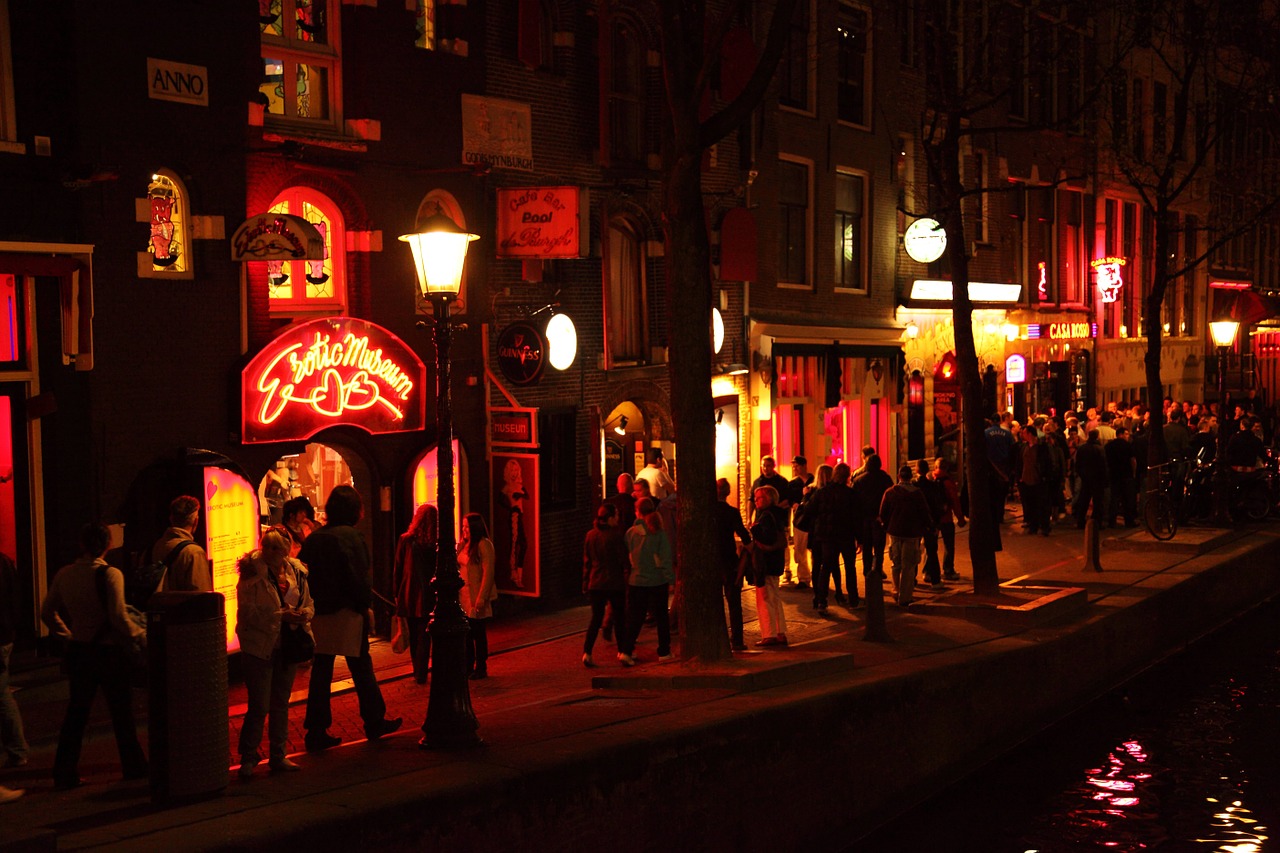
Together with a women-only group I recently followed a tour of the Red Light District in Amsterdam. It was given by former sex-worker and founder of the Prostitute Information Centre, Mariska Majoor. She is a vibrant, warm and articulate woman who defies the image of the hard-bitten prostitute so often portrayed by the media. Mariska worked as a window prostitute in the city for six years during the 80s. Her aim in setting up the PIC is to help working girls with any of their problems and also to educate the general public about the life of a sex-worker.

She told us that far from being victims, many women have consciously chosen to go into prostitution as a rapid way of making money. In Holland a sex-worker has to keep accounts and pay VAT like any other entrepreneur. Although the tax office is happy to treat prostitutes as regular business people, banks have more Draconian attitudes. They won’t open business accounts for prostitutes believing that handling money earned in the sex industry sullies their reputation. A mortgage is also a no-no for the same reason, as is a pension or unemployment insurance. So although the possibilities of rapid turnovers are tempting, long term security is not part of the job description.

Working the Windows

While working in the windows Mariska became an expert people-watcher. She had plenty of time to observe prospective clients’ body language, developing a fine-tuned eye for signs of aggression. She didn’t like macho-swaggerers, preferring, as a rule, older clients. Eye-contact was avoided before the transaction took place, making it easier to reject someone with a quick shake of the head or wag of the finger.

The price and customer’s needs are agreed at the door. A transaction usually lasts 10-15 minutes and costs from 35 to 50 euros. The girls rent the rooms on an hourly basis, usually on 5-8 hour shifts. The landlords receive no commission, maintaining legal neutrality. In a bid to clean up the sex industry in the 90s, rules about hygiene were brought into force. No more carpets or soft furnishings but wipe-clean surfaces now dominate, making the brothel’s interior look more like a sterile kitchen than a love nest.

A working girl may be positive about her profession but she knows that friends and family probably won’t share her views. Preserving anonymity may seem an impossible task for a window prostitute who sells her wares very publicly, but glamorous clothing, make-up, and perhaps a wig can make even a familiar face unrecognizable. Nevertheless, taking photos of the windows in the Red Light District is severely frowned upon.

Mariska turned her first trick aged16, in the provincial town where she grew up. Her first client was 71-years-old. She needed 250 guilders and no, it wasn’t to feed her drug habit or because she was forced to, it was to finance her childhood dream of owning a German Shepherd dog. After just two clients she had earned enough to buy the pet she so longed for.

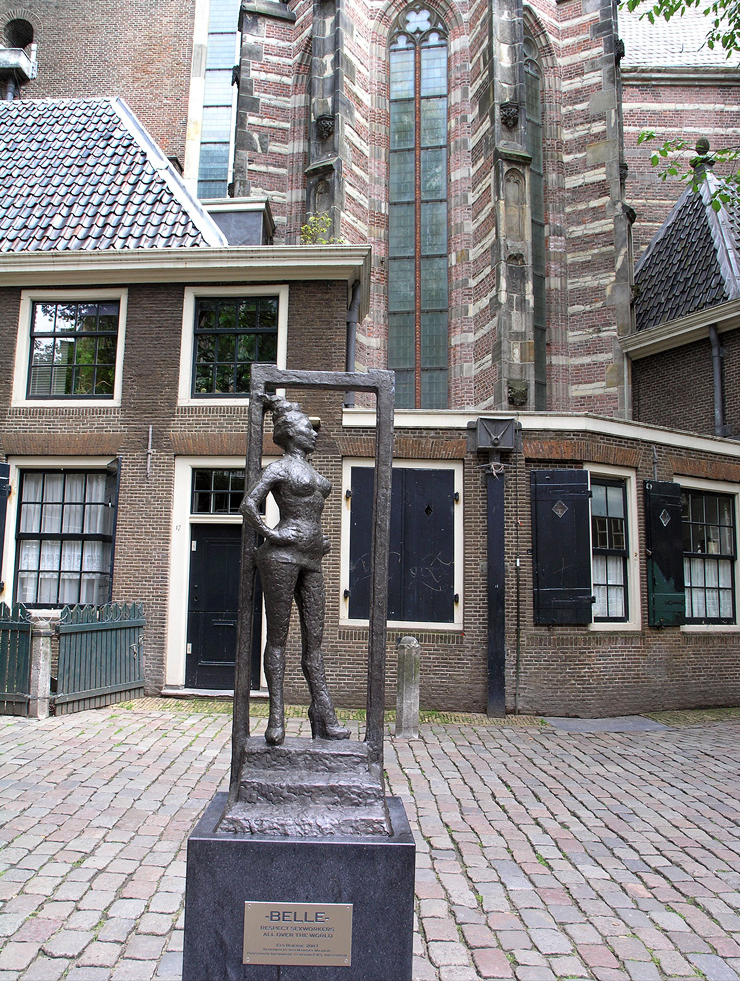
I know I’ll never look at a window prostitute in the same way again and I leave the PIC feeling proud I live in a city where prostitution is legal. It would be naïve to believe that there aren’t serious problems in this neighbourhood, but at least there is a possibility that a sex-worker can make her living in a clean and safe environment. In 2007 Mariska commissioned her aunt to make a bronze statue of Belle, a feisty working girl. This is the only statue dedicated to sex-workers in the world.

This article was originally published In the Powder Room
It is a reflection of one woman’s experience of prostitution and does not necessarily reflect the experiences of other workers in the same industry.

Posted in Uncategorized | Tagged , , , , , , , , , | 2 Comments